
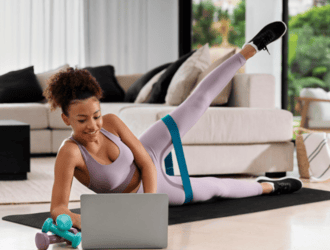
Five years ago, fitness content meant a few YouTube channels and the occasional DVD boxset gathering dust next to the TV. Now it’s one of the most-consumed categories across every major platform: from dedicated apps to mainstream streaming services to social media feeds.
The numbers are hard to ignore. Peloton, Apple Fitness+, and YouTube fitness channels collectively pull hundreds of millions of monthly views. And that doesn’t count the flood of short-form content on TikTok and Instagram where a 30-second clip of someone’s deadlift form gets more engagement than most brands spend thousands trying to achieve.
So what happened?
The Pandemic Catalyst
COVID-19 closed gyms worldwide and forced an entire generation of gym-goers to find alternatives. Home workouts exploded. YouTube channels that had been doing steady numbers suddenly gained millions of subscribers in weeks. Peloton went from niche luxury to household name.
The gyms reopened. The content didn’t go away. People discovered they liked the convenience of training at home, or at least having the option. The habit stuck for a significant chunk of the fitness market.
Fitness as Entertainment
Here’s the part that gets interesting for anyone thinking about media trends. Fitness content stopped being purely instructional and started being entertainment. Creators like Natacha Oceane, Jeff Nippard, and Sam Sulek aren’t just coaches — they’re personalities. People watch them the way they watch any other creator: for the content, the storytelling, and the person.
Publications covering entertainment, media, and digital culture have started tracking fitness creators alongside gaming streamers and film reviewers because the audience behaviour is identical. People subscribe, they follow consistently, they engage with community; it’s entertainment first, education second.
What This Means for Your Training
The practical impact is mixed. On the positive side, access to high-quality training information has never been better. A beginner can find a legitimate, well-structured programme for free on YouTube within five minutes.
On the negative side, the entertainment incentive rewards spectacle over substance. The most-viewed fitness content isn’t always the most accurate. A flashy, high-energy workout video will outperform a quiet, technically precise one every time — even if the quiet one is better for you.
How to filter:
- Follow creators who cite sources and explain the reasoning behind their programming
- Be sceptical of transformation content — lighting, angles, and pump timing create misleading visuals
- If a workout looks fun but has no structure (sets, reps, progression plan), it’s entertainment, not training
- Use content as a supplement to your programme, not a replacement for one
The Hybrid Model
The smart play for most people is a hybrid approach. Train with a structured programme (self-directed or coached), and use fitness content for what it does best: motivation, technique cues, and variety when you need it.
Streaming a 20-minute mobility session on a rest day isn’t replacing your training. It’s complementing it. And there’s nothing wrong with watching someone’s gym vlog purely because it’s enjoyable, as long as you’re clear about which mode you’re in.
Pro Tip: The best fitness content creators publish their full programme methodology, not just highlights. If a creator never explains the logic behind their training, the content is entertainment. Treat it accordingly. As an extra pro tip, read our guide on workout nutrition to learn how to plan your gym meals.