Author: jamesbond

  • What to Eat Before and After Your Workout

    What to Eat Before and After Your Workout

    You can train with perfect form and ruthless consistency, but if your nutrition timing is off, you’re leaving results on the table.

    The International Society of Sports Nutrition (ISSN) published a position stand confirming that nutrient timing, specifically what you consume before and after exercise, significantly affects recovery, muscle protein synthesis, and performance adaptation.

    The good news: workout nutrition doesn’t require complicated supplements or expensive meal plans. It comes down to eating the right macronutrients in the right window.

    Here’s exactly how to fuel your training.

    healthy meal prep with protein and vegetables for pre and post workout nutrition

    Pre-Workout Nutrition: Fuel the Engine

    Your pre-workout meal serves two purposes:

    • providing energy for performance, and
    • preventing muscle breakdown during training.

    The ideal pre-workout meal combines complex carbohydrates (your primary energy source during moderate-to-high intensity exercise) with a moderate amount of protein. Fat should be kept low, as it slows digestion and can cause discomfort during intense movement.

    Timing matters. A full meal should be consumed 2 to 3 hours before training.

    If you’re eating closer to your session (30 to 60 minutes), choose something lighter and easily digestible.

    Research published in the Journal of the International Society of Sports Nutrition found that consuming 20–40 grams of protein within this pre-exercise window enhanced muscle protein synthesis during and after training.

    Three Pre-Workout Meal Ideas

    • For a meal 2–3 hours before training, try oatmeal topped with banana slices and a scoop of whey protein; this delivers approximately 45g carbs and 25g protein with minimal fat.
    • A second option is grilled chicken breast with sweet potato and steamed broccoli, providing sustained energy from complex carbohydrates and lean protein.
    • For a quick snack 30 to 60 minutes out, a rice cake with almond butter and a drizzle of honey gives you fast-digesting carbs with a small protein and fat boost to carry you through the session.

    Post-Workout Nutrition: Repair and Rebuild

    After training, your body enters a recovery state. Muscle glycogen (stored carbohydrate in muscle tissue) is depleted, and muscle protein breakdown is elevated. Your post-workout meal needs to accomplish two things:

    • replenish glycogen stores with carbohydrates, and
    • provide protein to stimulate muscle repair.

    The so-called “anabolic window” (the idea that you must consume protein within 30 minutes or lose your gains) has been significantly overstated.

    A meta-analysis by Schoenfeld, Aragon, and Krieger published in the Journal of the International Society of Sports Nutrition found that the post-exercise protein window is likely 4 to 6 hours wide, not 30 minutes.

    That said, there’s no downside to eating sooner, and most people feel hungry after training anyway.

    Aim for 20 to 40 grams of protein and 40 to 80 grams of carbohydrates within 2 hours of finishing your workout.

    The protein triggers muscle protein synthesis, while the carbohydrates restore glycogen and help shuttle amino acids into muscle cells via insulin response.

    Three Post-Workout Meal Ideas

    • A protein shake blended with a banana and a handful of oats is the fastest option, roughly 30g protein, 50g carbs, ready in two minutes.
    • For a proper meal, grilled salmon with white rice and roasted vegetables delivers high-quality protein, omega-3 fatty acids for inflammation reduction, and fast-digesting carbohydrates.
    • A third option is Greek yogurt with mixed berries, granola, and a drizzle of honey. This is approximately 20g protein and 45g carbs with antioxidants from the berries that support recovery.

    Hydration: The Overlooked Factor

    Even mild dehydration, as little as 2% body weight loss through sweat, reduces strength output by up to 10% and endurance performance by up to 20%, according to research from the American College of Sports Medicine.

    Drink 400 to 600ml of water in the 2 hours before training. During exercise, aim for 150 to 250ml every 15 to 20 minutes. After training, replace lost fluids at a ratio of 1.5 litres for every kilogram of body weight lost during the session.

    For sessions lasting over 60 minutes or in hot conditions, an electrolyte drink containing sodium, potassium, and magnesium helps replace minerals lost through sweat.

    Plain water is sufficient for sessions under an hour.

    A Quick Word on Supplements

    The supplement industry generates over $50 billion annually, but very few products have robust evidence behind them.

    • Creatine monohydrate is the most researched sports supplement in history, with consistent evidence showing 5 to 10% strength gains when dosed at 3 to 5g daily.
    • Caffeine (3 to 6mg per kg of body weight consumed 30 to 60 minutes before training) reliably improves endurance and power output.

    Beyond those two and a basic protein powder for convenience, most supplements deliver marginal benefits at best.

    Focus on whole foods first. Supplements should supplement a solid diet, not replace it.

    Pro Tip: Prep your post-workout meal before you train. Having food ready when you walk through the door eliminates the temptation to grab junk food or skip the meal entirely.

  • Home Workout: 20-Minute Full Body Routine With No Equipment

    Home Workout: 20-Minute Full Body Routine With No Equipment

    You don’t need a gym membership, dumbbells, or any equipment at all to build strength, improve cardiovascular fitness, and burn calories. Bodyweight training has been validated extensively by exercise science; a 2018 systematic review in the journal Sports Medicine found that bodyweight exercises produced comparable muscle activation to traditional resistance training for most major muscle groups in untrained and moderately trained individuals.

    This 20-minute routine hits every major muscle group, requires only enough floor space to lie down in, and can be done anywhere: your living room, a hotel room, or a park. No excuses, no barriers.

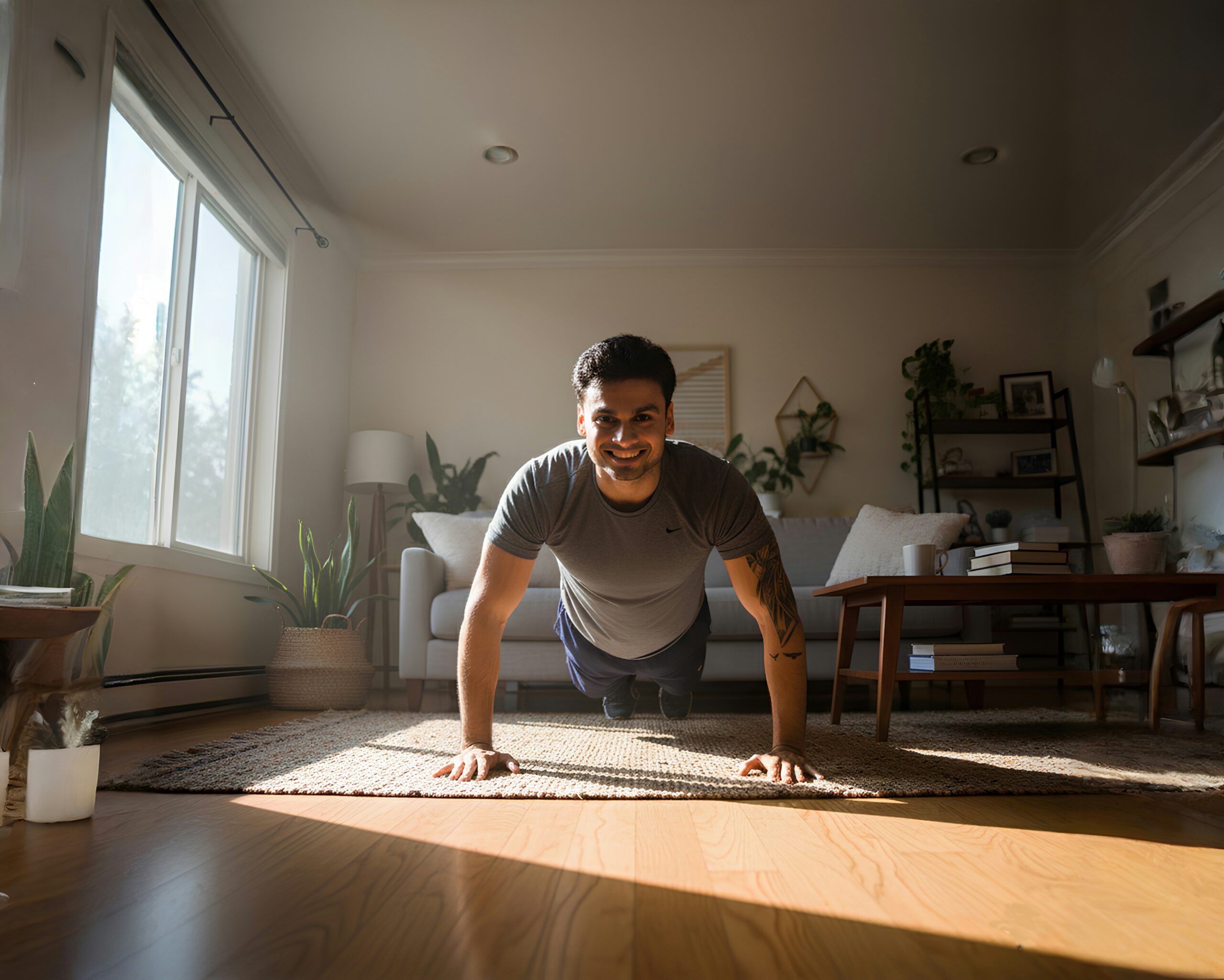
    person doing bodyweight workout at home with no equipment

    Warm-Up (2 Minutes)

    Never skip the warm-up.

    • Start with 30 seconds of marching in place, lifting your knees to hip height.
    • Follow with 30 seconds of arm circles — large forward circles for 15 seconds, then backward for 15 seconds.
    • Finish with 30 seconds of hip circles (hands on hips, rotate in large circles) and 30 seconds of light bouncing on your toes.

    Your heart rate should be slightly elevated and your joints should feel loose before starting the main circuit.

    The Workout Circuit

    Perform each exercise for 40 seconds, followed by 20 seconds of rest before moving to the next. Complete the full circuit of 8 exercises, rest for 60 seconds, then repeat the entire circuit once more. Total time including warm-up and cool-down: 20 minutes.

    1. Jumping Jacks (40 seconds)

    • The classic full-body cardio movement. Stand with feet together, arms at sides.
    • Jump while spreading legs wider than shoulder-width and raising arms overhead.
    • Jump back to starting position. Maintain a brisk, consistent pace.

    Beginner modification: step side to side with arms overhead instead of jumping.

    2. Push-Ups (40 seconds)

    • Place hands slightly wider than shoulder-width, body forming a straight line from head to heels.
    • Lower your chest until it nearly touches the floor, then push up explosively.
    • Keep your core tight; don’t let your hips sag or pike up.

    Beginner modification: perform on your knees, or against a wall at an incline. Aim for controlled reps rather than speed.

    3. Bodyweight Squats (40 seconds)

    • Feet shoulder-width apart, toes slightly out.
    • Push hips back and bend knees, keeping chest upright and weight in heels.
    • Descend until thighs are parallel to the floor (or as low as your mobility allows), then drive up.

    According to the American Council on Exercise, the bodyweight squat activates 200+ muscles in a single movement.

    4. Alternating Reverse Lunges (40 seconds)

    • Stand tall, step one foot backward and lower until both knees form approximately 90-degree angles.
    • Your front knee should track over your ankle, not push past your toes.
    • Drive through the front heel to return to standing, then alternate legs.
    • Reverse lunges are gentler on the knees than forward lunges because the deceleration forces are lower.

    5. Plank Hold (40 seconds)

    • Forearms on the ground, elbows under shoulders, body in a straight line from head to heels.
    • Engage your core by pulling your belly button toward your spine.
    • Breathe normally; don’t hold your breath.
    • If 40 seconds is too long, hold for 20 seconds, rest 5 seconds, and hold again.

    Beginner modification: plank from your knees.

    6. Mountain Climbers (40 seconds)

    • Start in a high push-up position.
    • Drive one knee toward your chest, then quickly switch legs in a running motion while keeping your hips low and stable.

    This exercise combines core work with cardiovascular conditioning. Slower, more controlled reps are more effective than rapid, sloppy ones; keep your shoulders over your wrists and your core braced throughout.

    7. Burpees (40 seconds)

    The exercise everyone loves to hate, and for good reason.

    From standing,

    • drop into a squat,
    • place hands on the floor,
    • jump feet back to push-up position,
    • perform a push-up,
    • jump feet forward to hands, and
    • explode upward into a jump.

    That’s one rep.

    Burpees burn approximately 10 calories per minute at moderate intensity, making them one of the most efficient bodyweight exercises.

    Beginner modification: step back instead of jumping, skip the push-up and the final jump.

    8. Glute Bridges (40 seconds)

    • Lie on your back, knees bent, feet flat on the floor hip-width apart.
    • Drive through your heels to lift your hips until your body forms a straight line from shoulders to knees.
    • Squeeze your glutes hard at the top and hold for one second before lowering.

    This counteracts the effects of prolonged sitting by activating the glutes and stretching the hip flexors.

    Cool-Down (2 Minutes)

    Finish with 30 seconds of standing forward fold (reach toward your toes, letting gravity stretch your hamstrings), 30 seconds of quad stretch per leg (standing, grab ankle behind you), and 30 seconds of a child’s pose stretch to release the lower back.

    Deep, slow breathing during cool-down activates the parasympathetic nervous system and speeds recovery.

    Consistency Beats Intensity

    Three 20-minute sessions per week will deliver noticeable results within 4 to 6 weeks: improved endurance, visible muscle tone, and better energy levels. As the circuit becomes easier, increase the work intervals to 45 seconds or add a third round. The best workout program is the one you actually do consistently.

    Pro Tip: Set a recurring alarm on your phone for your workout time. Decision fatigue kills consistency. So, remove the decision and just start when the alarm goes off.

  • The Complete Beginner’s Guide to Strength Training

    The Complete Beginner’s Guide to Strength Training

    Strength training isn’t just for bodybuilders. Research published in the British Journal of Sports Medicine shows that resistance training reduces all-cause mortality risk by 15%, independent of aerobic exercise. It builds bone density, improves metabolic health, enhances mental wellbeing, and makes everyday physical tasks dramatically easier as you age.

    If you’ve never touched a barbell or walked into a weight room, this guide gives you everything you need to start safely, train effectively, and build a foundation that lasts.

    person performing barbell squat in gym for beginner strength training

    Why Strength Training Matters

    The benefits extend far beyond bigger muscles. Strength training increases resting metabolic rate, meaning you burn more calories even at rest. A 2021 study in the journal Obesity Reviews found that resistance training preserves lean muscle mass during weight loss better than cardio alone, which is critical for long-term weight management.

    Strength training also improves insulin sensitivity, reduces chronic back pain, strengthens tendons and ligaments, and has been shown to reduce symptoms of anxiety and depression.

    The CDC recommends adults perform muscle-strengthening activities at least two days per week. Yet only about 30% of adults meet this guideline.

    The Five Essential Exercises

    Compound movements (exercises that work multiple muscle groups simultaneously) give you the most results per minute spent training. These five movements form the foundation of virtually every effective strength program.

    1. Squat

    The squat targets your quadriceps, glutes, hamstrings, and core simultaneously. Stand with feet shoulder-width apart, toes slightly turned out. Push your hips back and bend your knees as if sitting into a chair, keeping your chest up and weight in your heels. Descend until your thighs are at least parallel to the floor, then drive up through your heels. Start with bodyweight squats, then progress to goblet squats (holding a dumbbell at chest level) before moving to barbell back squats.

    2. Deadlift

    The deadlift works your entire posterior chain — hamstrings, glutes, lower back, upper back, and grip. Stand with feet hip-width apart, bar over mid-foot. Hinge at the hips, grip the bar just outside your knees, flatten your back, and drive up by pushing the floor away. Keep the bar close to your body throughout. Beginners should start with Romanian deadlifts (starting from standing position) or trap bar deadlifts, which are more forgiving on lower back position.

    3. Bench Press

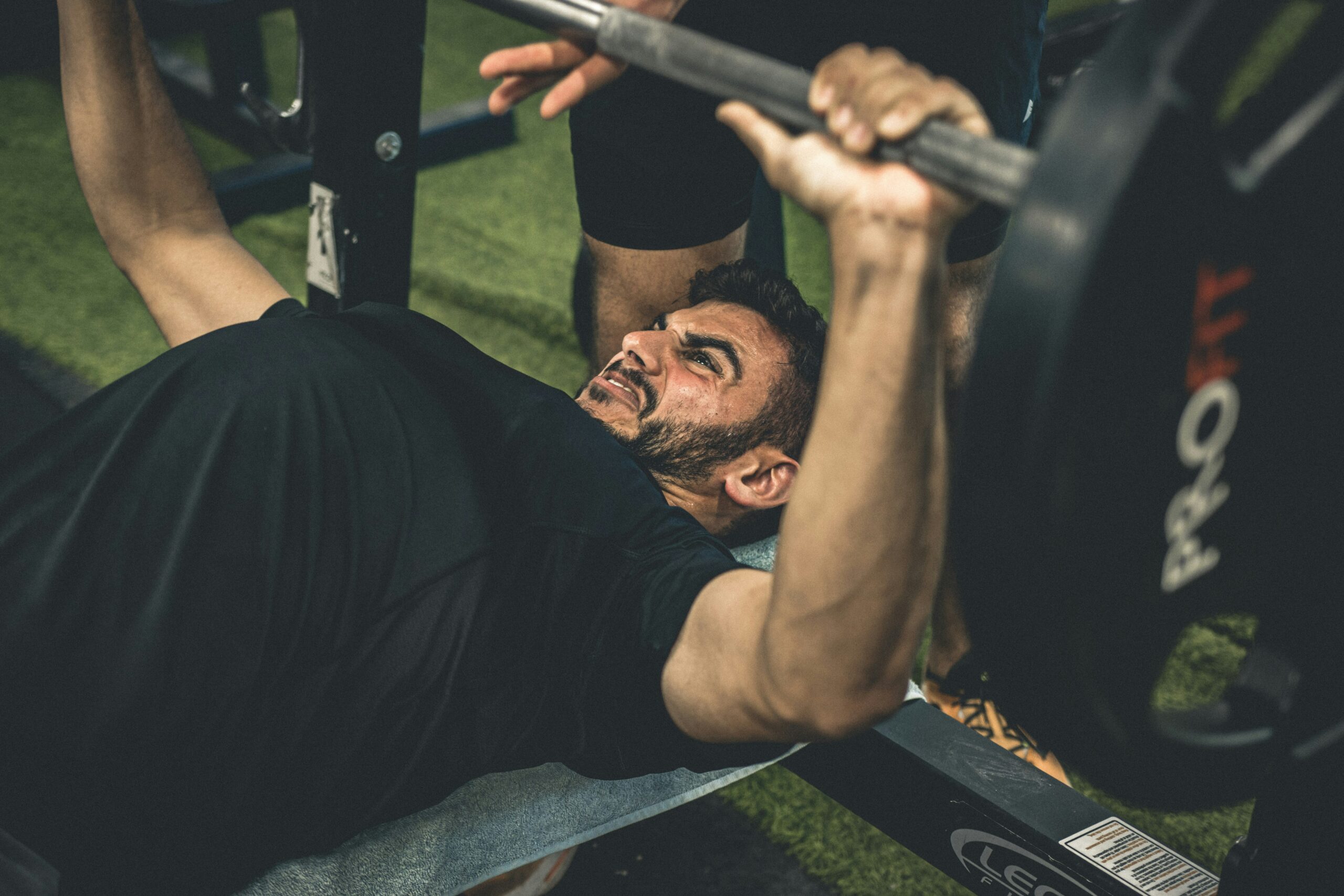
    The bench press develops chest, shoulders, and triceps. Lie on the bench with eyes under the bar. Grip slightly wider than shoulder width, retract your shoulder blades, plant your feet flat on the floor, and create a slight arch in your lower back. Lower the bar to your mid-chest with control, then press up explosively. Start with dumbbells if a barbell feels intimidating — they allow a more natural range of motion and don’t require a spotter.

    4. Overhead Press

    Also called the military press, this exercise builds shoulder strength and stability. Stand with feet hip-width apart, hold the bar at collarbone height with hands just outside shoulder width. Brace your core, press the bar straight overhead until arms are fully extended, then lower with control. This movement reveals and corrects shoulder mobility limitations that many desk workers develop.

    5. Barbell Row

    The row balances all that pressing work by training your back, biceps, and rear deltoids. Hinge forward at the hips until your torso is roughly 45 degrees to the floor. Pull the bar to your lower ribcage, squeezing your shoulder blades together at the top. Lower with control. A strong back prevents the rounded-shoulder posture that plagues anyone who sits for long periods.

    Sample Beginner Week

    Train three days per week with at least one rest day between sessions.

    • Day A covers squats (3 sets of 8 reps), bench press (3×8), and barbell rows (3×8).
    • Day B covers deadlifts (3×5), overhead press (3×8), and accessory work like planks and lunges.

    Alternate between Day A and Day B across your three weekly sessions. This structure ensures balanced development and adequate recovery.

    Recovery Is Where Growth Happens

    Muscles don’t grow in the gym, they grow during rest.

    Sleep 7 to 9 hours per night; research from the journal Sleep found that sleeping less than 6 hours reduced strength gains by up to 30%.

    Consume 1.6 to 2.2 grams of protein per kilogram of bodyweight daily, distributed across 3 to 4 meals.

    Stay hydrated; even 2% dehydration impairs strength performance.

    And don’t skip warm-ups: 5 to 10 minutes of light cardio plus dynamic stretching prepares your joints and nervous system for heavy loading.

    Pro Tip: Log every workout. Write down the exercise, weight, sets, and reps. Progressive overload (gradually increasing the weight or reps over time) is the single most important principle in strength training. If you’re not tracking, you’re guessing.

  • Gym Clothes for Men: The Ultimate Guide to Stylish and Functional Workout Wear

    Choosing the right gym clothes for men is more than just a matter of style. Proper gym attire enhances comfort, boosts performance, and prevents injuries during workouts. For Turkish readers who frequent gyms, participate in outdoor training, or enjoy sports, understanding how to select, combine, and maintain gym wear is essential.

    From lightweight T-shirts to durable shorts, supportive footwear, and functional accessories, this guide covers everything Turkish men need to know about gym clothing. With practical tips, style advice, and performance insights, you can create a workout wardrobe that combines fashion and functionality.

    Why Choosing the Right Gym Clothes Matters

    Wearing appropriate workout attire affects more than appearance. It influences movement, sweat management, and overall comfort during exercise.

    Enhancing Performance

    Clothing designed for specific workouts, such as compression gear or moisture-wicking fabrics, can improve circulation, reduce fatigue, and enhance endurance. Proper gym clothes for men support muscle function and allow unrestricted movement during strength training or cardio exercises.

    Preventing Discomfort and Injuries

    Ill-fitting or inappropriate gym wear can lead to chafing, skin irritation, or restricted movement. Shoes with proper cushioning and clothes that support your body help prevent injuries and make workouts more effective.

    Boosting Confidence

    Stylish, well-fitted gym clothes increase motivation and self-confidence. Looking good while exercising can improve focus and consistency, which is crucial for achieving fitness goals.

    Essential Gym Clothes for Men

    A functional gym wardrobe includes items that suit various activities, seasons, and personal preferences.

    T-Shirts and Tank Tops

    Lightweight, breathable T-shirts or tank tops are essential for comfort and temperature regulation. Moisture-wicking fabrics like polyester blends help keep sweat away from the skin. Choose neutral or vibrant colors depending on your style preferences.

    Shorts and Joggers

    Shorts provide freedom of movement during cardio, weightlifting, or high-intensity workouts. Joggers are ideal for cooler weather or outdoor training. Stretchable fabrics and adjustable waistbands enhance fit and mobility.

    Gym Shoes

    Footwear selection depends on your training style. Running shoes provide cushioning for cardio, while cross-training shoes offer stability for weightlifting and functional exercises. Proper footwear reduces the risk of injury and improves performance.

    Compression Gear

    Compression shirts, shorts, or socks enhance blood circulation, reduce muscle fatigue, and support recovery. They are especially useful for intense training sessions or endurance workouts.

    Hoodies and Jackets

    Layering pieces such as hoodies or lightweight jackets are perfect for outdoor workouts or warming up. Look for breathable fabrics that maintain comfort while providing warmth.

    Choosing Gym Clothes Based on Workout Type

    Different exercises require specific types of clothing to optimize performance and comfort.

    Strength Training

    For weightlifting and resistance exercises, choose fitted shirts and flexible shorts or joggers. Clothes should allow full range of motion without excess fabric getting in the way.

    Cardio Workouts

    During running, cycling, or HIIT, lightweight and moisture-wicking fabrics keep the body cool and dry. Breathable T-shirts and performance shorts improve ventilation.

    Outdoor Training

    For outdoor exercises, consider layering with jackets, hoodies, and leggings for warmth. UV-protective clothing and moisture-resistant fabrics help during sunny or rainy conditions.

    Sports Activities

    For sports like basketball, football, or tennis, select gym clothes designed for high mobility and quick movements. Proper footwear is crucial for grip and stability on different surfaces.

    Fabric and Material Guide

    Choosing the right fabric is vital for comfort, durability, and sweat management.

    Moisture-Wicking Fabrics

    Polyester, nylon, and blends pull sweat away from the skin, keeping the body dry during intense workouts.

    Breathable Fabrics

    Cotton blends allow airflow but may retain moisture. Combine cotton with synthetic fabrics for comfort without compromising performance.

    Stretchable Fabrics

    Elastane or spandex provides flexibility and supports a full range of motion, which is essential for strength training and functional workouts.

    Durable Fabrics

    Reinforced stitching and high-quality materials increase the lifespan of gym clothes, especially for regular users. Durable fabrics withstand repeated washing and intense activity.

    Styling Gym Clothes for Men

    Styling Gym Clothes for Men

    While functionality is key, style plays a significant role in gym wear.

    Coordinating Colors and Sets

    Matching tops and bottoms create a cohesive look. Neutral tones like black, gray, or navy are versatile, while bold colors or patterns make a statement.

    Accessorizing Smartly

    Caps, sweatbands, and gym bags complement the outfit while serving practical purposes. Watches or fitness trackers can also enhance performance tracking.

    Layering Strategically

    Layering with hoodies, zip-up jackets, or compression tops allows adaptation to different temperatures and workout intensities. Removable layers ensure comfort from warm-up to cool-down.

    Maintaining Gym Clothes

    Proper care extends the life of your gym wear and keeps fabrics performing optimally.

    Washing and Drying

    Wash gym clothes in cold water with mild detergent. Avoid using fabric softeners as they reduce moisture-wicking properties. Air-dry when possible to maintain fabric integrity.

    Stain and Odor Management

    Sweat stains and odors can accumulate over time. Use odor-neutralizing sprays or soak garments in vinegar solutions for deep cleaning.

    Rotating Workout Gear

    Having multiple sets of gym clothes prevents excessive wear and allows time for proper cleaning between uses. This ensures hygiene and maintains freshness.

    Where to Buy Gym Clothes in Turkey

    Turkish readers have access to a variety of local and international brands that offer quality gym clothes for men. Department stores, specialty sports shops, and online retailers provide options suitable for all budgets. Look for trusted brands known for durability, comfort, and performance fabrics.

    Online Retailers

    E-commerce platforms allow comparisons of styles, prices, and customer reviews, making it easier to choose gym clothes that meet personal preferences and needs.

    Local Stores

    Visiting physical stores allows testing fit, fabric, and comfort. Many Turkish sports stores also offer guidance on choosing the right gear for specific workouts.

    Conclusion

    Choosing the right gym clothes for men is essential for comfort, performance, and style. From everyday workouts to professional training sessions, understanding the right fabrics, fits, and combinations ensures a practical and fashionable gym wardrobe. Turkish readers can benefit from versatile pieces, functional accessories, and expert guidance to enhance their exercise experience while looking confident and stylish.


  • Best Protein Powder Guide for 2025: Find the Right Formula for Your Fitness Goals

    If you are searching for the best protein powder has to offer, you are in the right place. Whether you are just starting your fitness journey in Istanbul, Ankara, Izmir, or anywhere else in Europe, choosing the right protein powder can significantly impact your workouts, gains, recovery, and overall health. This in‑depth guide will walk you through everything from the key differences between supplements to how to choose the best option for your lifestyle and goals.

    Protein powders are among the most popular supplements for athletes, fitness enthusiasts, and everyday people looking to boost their health. But with so many brands, types, and claims, it can be overwhelming to figure out what really matters in the supplement market. Here we break down essential information and provide practical guidance so you feel confident in your choice.

    Why Protein Powder Matters Today

    Protein has become a priority for many people who want to improve body composition, support muscle growth, enhance athletic performance, or simply maintain a balanced diet. As lifestyles become busier and nutrition habits change, protein powder emerges as a convenient and effective solution.

    The interest in protein supplements is growing rapidly. More people are engaging in strength training, running, CrossFit, and other fitness activities. The buzz around recovery, muscle preservation after 30, and general wellness has also boosted the demand for quality protein products.

    The right protein powder can help you fill nutritional gaps, support your fitness routine, and even enhance satiety if you are trying to manage your weight. But not all protein powders are created equal, especially in the European market, where import taxes, regulations and brand availability differ across countries.

    Understanding Different Types of Protein Powder

    Finding the best protein powder means first understanding what kinds of protein are available. Each type has its unique benefits and considerations.

    Whey Protein Powder Options

    Whey protein has long been a favorite among athletes and gym‑goers. It is fast‑digesting, rich in essential amino acids, and excellent for post‑workout recovery.

    Benefits of Whey Protein

    • Rapid muscle recovery
    • High Biological Value for strong absorption
    • Supports strength gains
    • Often mixes easily with water or milk

    Considerations
    Whey is dairy‑based, so if you are lactose intolerant or follow a dairy‑free lifestyle, you might experience digestion issues.

    Fitness communities often mention whey protein as the go‑to choice for strength training because it provides an efficient boost of amino acids exactly when the body needs them most.

    Vegan Protein Powder Choices

    For plant‑based eaters or those with dairy sensitivities, vegan protein powder is a great alternative. Common sources include pea, rice, hemp, and soy.

    Pros of Vegan Protein

    • Dairy‑free and often allergen‑friendly
    • Good choice for vegetarians and vegans
    • Can provide sustained energy
    • Often blended for balanced amino acid profiles

    Cons
    Some vegan formulas may taste grainy or mix less smoothly than whey.

    If you are prioritizing plant‑based nutrition, look for blends labeled as “complete protein” to ensure you get all essential amino acids.

    Casein Protein: Slow Release for Overnight Recovery

    Casein is another dairy‑based protein, but unlike whey, it digests slowly. This makes it ideal for nighttime use or long periods between meals.

    Best Uses for Casein

    • Before bed to reduce muscle breakdown during sleep
    • As a snack replacement
    • For slow amino acid delivery

    Egg Protein and Other Specialty Formulas

    Egg protein powder is made from egg whites and provides a middle ground between dairy and plant proteins. It is lactose‑free, with high biological value and good digestibility.

    Best For

    • People with dairy sensitivities
    • Those who want a complete amino acid profile
    • Individuals avoiding soy

    How to Choose the Best Protein Powder 

    Selecting the best protein powder requires thoughtful consideration of your goals, budget, dietary preferences, and ingredient quality. Here are key factors to help guide your decision.

    Define Your Fitness Goal

    Are you trying to build muscle, lose fat, maintain weight, or simply improve daily protein intake?

    Muscle Gain
    If increasing muscle mass is your priority, whey protein with at least 20 grams per serving can be highly effective.

    Fat Loss
    Protein helps maintain lean mass while cutting calories. Look for lower‑calorie, low‑sugar options.

    Healthy Aging
    Protein supports muscle maintenance over time, which is especially valuable for people over 30.

    Check the Protein Content Per Serving

    A good protein powder should provide a meaningful amount of protein per scoop. Many quality products deliver 20 to 25 grams per serving, but always check the label to ensure you are getting value for your money.

    Pay Attention to Ingredients

    Avoid products with excessive artificial sweeteners, fillers, or ambiguous proprietary blends. Simpler ingredient lists often mean higher purity and fewer unnecessary additives.

    Assess Digestibility and Allergens

    If you have lactose intolerance, gluten sensitivity, or other dietary restrictions, choose a formula that aligns with your needs. Vegan and egg protein powders are excellent options for sensitive stomachs.

    Flavor and Mixability

    Taste matters. A protein powder that tastes great and mixes well increases the likelihood that you will use it consistently. Popular flavors include chocolate, vanilla, and local favorites like coffee or pistachio, depending on the brand.

    Best Times to Take Protein Powder
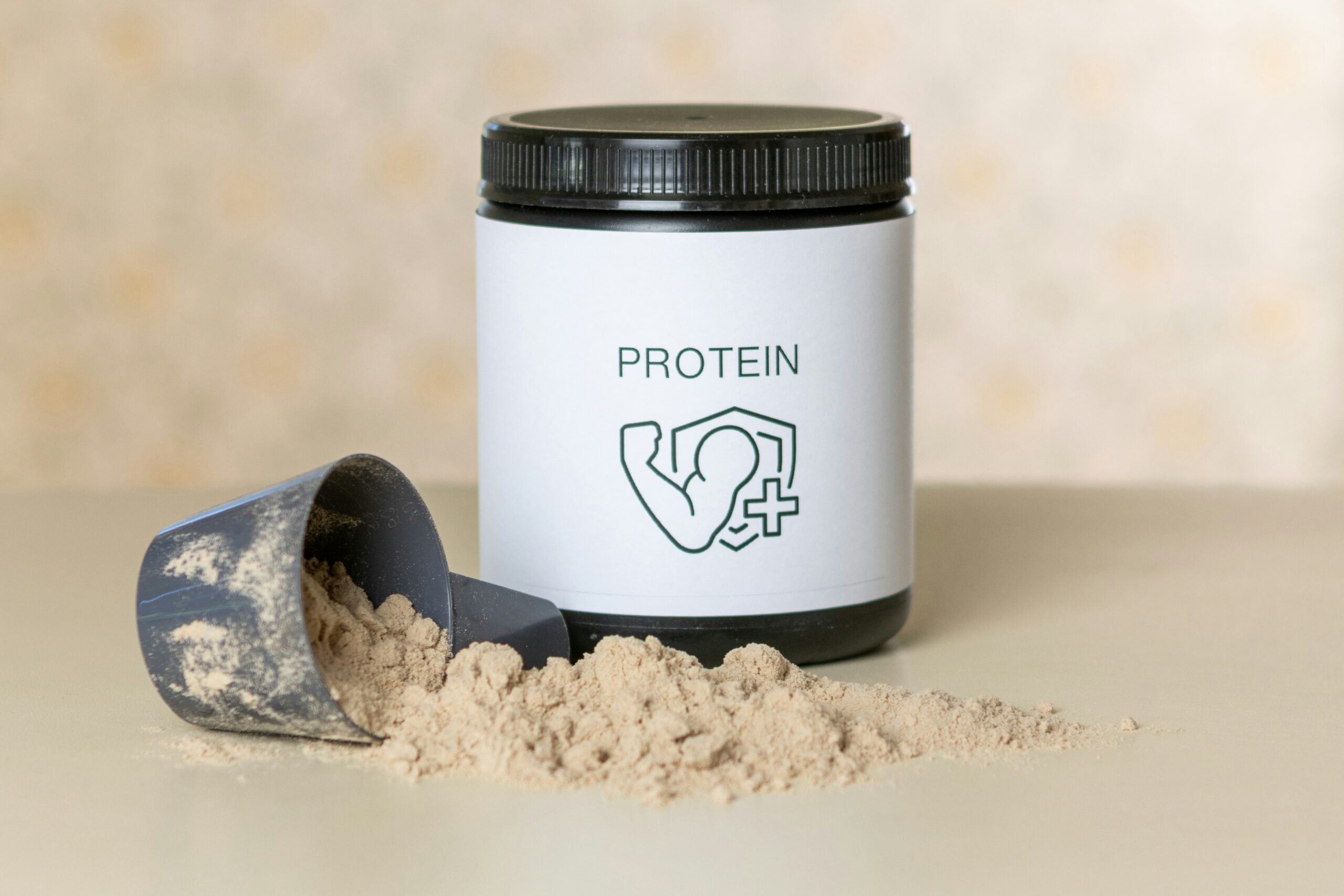
    best times to take protein powder


    Knowing when to take your protein powder can maximize its effectiveness.

    Post‑Workout Window

    Many athletes prefer to consume protein within 30 to 60 minutes after exercise to support recovery. Whey protein shines here due to its fast absorption.

    Morning Boost

    Having protein in the morning helps stabilize blood sugar, reduce cravings, and provide sustained energy throughout the day.

    Between Meals

    Taking protein between meals can keep hunger at bay and support lean mass maintenance.

    Before Sleep

    Casein protein before bed may support overnight recovery thanks to its slow digestion.

    Protein Powder Shopping Guide 

    When you are ready to buy protein powder, consider these tips to make the process easier and more reliable.

    Trusted Stores and Platforms

    The gym market offers protein powders online and in‑store. Pay attention to seller reviews, return policy, and authenticity guarantees. Avoid suspiciously cheap products, as they may be counterfeit or expired.

    Read Customer Reviews

    Platforms like Google Shopping, Hepsiburada, and trendy international supplement stores often include user reviews. These insights can help you determine real performance, taste, and mixability.

    Budget Considerations

    Imported protein powders may cost more due to customs and VAT. Balancing quality and value is critical. Sometimes mid‑range products offer similar performance to premium brands without the premium price tag.

    Certifications and Testing

    Look for products tested for purity and quality. Certificates like Informed Choice or third‑party testing labels are a plus, especially if you are an athlete subject to drug testing.

    Practical Tips from Fitness Enthusiasts

    How to Mix Protein Powder

    Use a shaker bottle or blender for smooth texture. If you prefer more flavor, mix with cold milk, almond milk, or even tea (unsweetened) for a unique twist.

    Pairing Protein with Whole Foods

    Protein powders are supplements, not meal replacements. Combine them with fruit, oats, yogurt, or nuts for a more complete meal.

    Tracking Your Daily Protein

    Most adults benefit from at least 1.2 to 2 grams of protein per kilogram of body weight, depending on activity level. Track your intake to make sure supplements fill gaps, not replace whole foods entirely.

    Common Myths About Protein Powder 

    There are several misconceptions about protein supplementation. Let’s clarify the most common ones.

    Protein Powder is Only for Bodybuilders

    Not true. Protein benefits people of all ages, from youth athletes to older adults focused on wellness.

    Too Much Protein Harms the Kidneys

    For healthy individuals, high protein intake has not been shown to damage kidneys. If you have existing kidney conditions, consult a doctor first.

    All Protein Powders Are the Same

    False. Quality, source, processing methods, and ingredient lists differ widely. Choose wisely.

    Conclusion: Make an Informed Choice

    Choosing the best protein powder does not have to be confusing. By understanding different protein types, aligning your choice with your goals, reading labels carefully, and picking reliable sellers, you can find a product that supports your health and fitness journey.

    Protein powders can be powerful tools when used thoughtfully. Whether you select a whey protein powder users love for muscle recovery or a vegan protein powder residents enjoy for everyday nutrition, quality and consistency are key. Focus on your goals, respect your body’s needs, and remember that supplements should support—not replace—a balanced diet.


     

  • The Ultimate Bodybuilding Workout Plan Guide for Serious Muscle Growth

    RD .Building muscle with a structured bodybuilding workout plan has become increasingly popular among fitness enthusiasts. Whether you train in a high end gym in Istanbul or a neighborhood fitness salon in Ankara, one thing is certain. You need a clear strategy that actually delivers results. Many beginners jump into training without structure and quickly lose motivation because they do not see progress. This guide is designed to solve that problem completely. Here you will find a detailed and practical approach supported by sports science and experience from real athletes.

    This comprehensive article breaks down every element you need. You will learn how to schedule workouts, choose the right exercises, manage volume and intensity, and create a plan that suits different lifestyles and gym conditions. If you take your muscle development seriously, this bodybuilding workout plan will help you progress safely and consistently.

    Why a Bodybuilding Workout Plan Matters More Than Ever

    A bodybuilding workout plan is essentially your roadmap. Without it you risk random training sessions that fail to stimulate long term muscle growth. Gyms are often crowded during peak hours which makes structure even more important. Knowing exactly which exercises to perform helps you stay focused even when equipment is limited.

    Another key benefit is tracking progress. When you follow a planned routine, you can measure your improvements week by week. Strength increases, better muscle pumps, and visible body changes all happen faster with a proper plan.

    The Science of Muscle Building Explained Simply

    To understand how to use a bodybuilding workout plan effectively you first need to know how muscle grows. The process depends on a few main factors

    • Progressive overload: This refers to gradually increasing weight, repetitions, or training volume. Without progressive overload the body stops adapting.
    • Mechanical tension: High quality reps performed with control are essential. Muscles grow when they experience enough tension throughout the full range of motion.
    • Recovery and nutrition: Even the best bodybuilding workout plan fails if you neglect rest. Muscle development happens during recovery periods not during the workout itself.

    These principles will form the backbone of the plan that readers can apply immediately.

    How to Start a Bodybuilding Workout Plan as a Beginner 

    Beginners often ask how many days per week they should train. The answer depends on lifestyle and goals but most people achieve the best results with a three or four day schedule. Many gym members prefer training after work which means shorter sessions are ideal.

    Choosing Your Training Split

    Here are the most common training splits suitable for beginners

    1. Full body program: Perfect for complete beginners. You train all major muscle groups in the same session. Three days per week is ideal.
    2. Upper lower split: A great step after the beginner phase. It provides more volume and focuses on major movement patterns.
    3. Push pull legs split: Offers balanced development and can be followed by intermediate trainees.

    Beginner Bodybuilding Program Example

    body building plan

    Readers who are new to the gym can start with a simple structure

    Day 1 – Full Body

    • Squat
    • Bench press
    • Lat pulldown
    • Shoulder press
    • Cable row
    • Triceps rope press
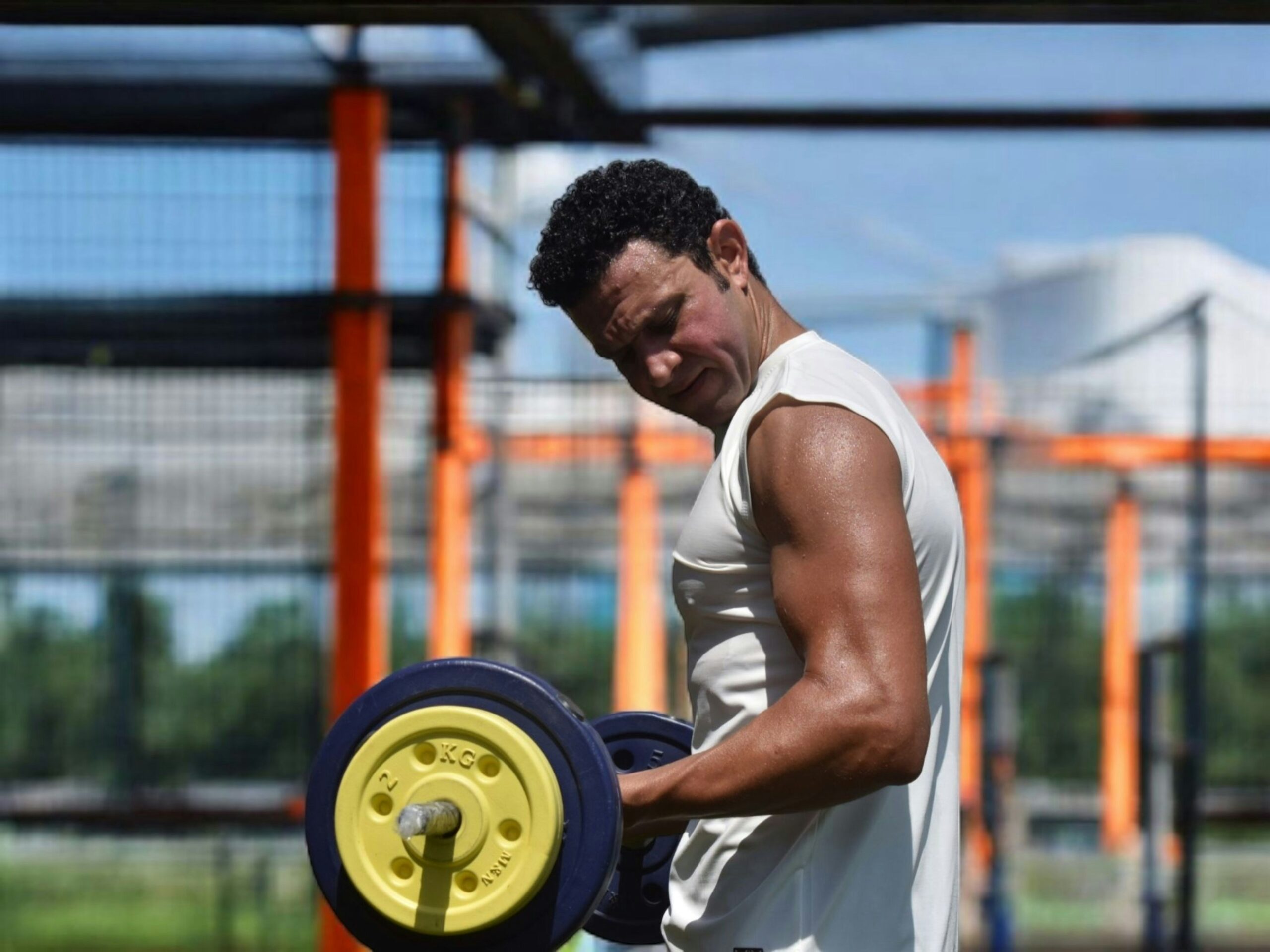
    • Dumbbell curls

    Day 2 – Full Body

    • Deadlift
    • Incline dumbbell press
    • Machine row
    • Lateral raise
    • Leg press
    • Hammer curls
    • Light abdominal training

    3rd Day – Full Body

    • Leg curl
    • Chest press
    • Pull ups or assisted pull ups
    • Seated shoulder press machine
    • Face pull
    • Dips or assisted dips
    • Optional calf work

    This beginner bodybuilding program prepares you for more advanced training styles. The goal here is technique perfection and consistent progress.

    Understanding the 12 Week Bodybuilding Workout Plan Structure

    A popular method among lifters is a structured 12 week bodybuilding workout plan. This timeframe is long enough to see visible changes yet short enough to stay motivated.

    Phase Breakdown for 12 Weeks

    Weeks 1 to 4 – Foundation Building
    During this phase, you learn fundamental movement patterns while working with moderate weights. The goal is to establish proper form and technique.

    Weeks 5 to 8 – Progressive Overload
    Training intensity increases gradually as both weight and overall volume rise. This stage focuses on consistent, manageable progression.

    Weeks 9 to 12 – Intensification
    The emphasis now shifts toward more challenging loads to maximize muscle stimulation. By pushing closer to your limits, you prepare the body for advanced strength gains.

    Weekly Layout Example

    Here is a common weekly layout used in the 12 week bodybuilding workout plan

    • Monday – Chest and triceps
    • Tuesday – Back and biceps
    • Wednesday – Rest
    • Thursday – Shoulders and abs
    • Friday – Legs
    • Saturday – Optional active recovery
    • Sunday – Rest

    This structure fits perfectly with the workweek and allows enough recovery.

    Detailed Bodybuilding Workout Plan for Muscle Growth

    Detailed bodybuilding workout plan


    This section includes five detailed programs that serve different fitness levels and preferences commonly found. You can choose one and apply it directly

    1. Beginner Gym Routine for Muscle Growth

    Beginners need a stable foundation. The following routine provides ideal volume without overwhelming new lifters.

    How to Use This Routine

    Perform it three days per week. Rest at least one day between sessions.

    Beginner Routine

    Squat

    • Three sets of eight to ten

    Dumbbell bench press

    • Three sets of ten

    Seated row machine

    • Three sets of ten

    Shoulder press machine

    • Two sets of twelve

    Leg press

    • Two sets of twelve

    Biceps curls

    • Two sets of twelve

    Triceps extensions

    • Two sets of twelve

    After four to six weeks increase weights gradually. This is a perfect beginner gym routine for muscle growth that fits both men and women.

    2. Intermediate Bodybuilding Workout Plan with Push Pull Legs

    This layout is extremely popular among athletes because it distributes workload evenly.

    Push Day

    • Bench press
    • Incline dumbbell press
    • Shoulder press
    • Lateral raises
    • Cable fly
    • Triceps pushdown
    • Overhead triceps extension

    Pull Day

    • Deadlift or Romanian deadlift
    • Lat pulldown
    • Barbell row
    • Seated cable row
    • Face pull
    • Biceps curls
    • Hammer curls

    Leg Day

    • Squat
    • Leg press
    • Leg curl
    • Calf raise
    • Hip thrust
    • Abs or core work

    Train each day once per week or rotate continuously for higher frequency

    3. Muscle Gain Workout Plan for Men

    Many men want a more aggressive approach focused on size and strength. This routine includes higher volume and intensity.

    Chest and Triceps Day

    • Barbell bench press
    • Incline barbell press
    • Weighted dips
    • Cable crossovers
    • Skull crushers
    • Rope pushdowns

    Back and Biceps Day

    • Weighted pull ups
    • T bar row
    • Machine pulldown
    • Dumbbell rows
    • Preacher curls
    • Concentration curls

    Leg Day

    • Back squat
    • Front squat
    • Leg press
    • Lunges
    • Romanian deadlift
    • Calf raises

    Shoulder Day

    • Overhead press
    • Arnold press
    • Lateral raise
    • Rear delt fly
    • Shrugs

    This plan supports rapid muscle gain if nutrition and sleep are optimized.

    4. Time Efficient Bodybuilding Workout Plan for Busy Professionals

    Many working professionals need shorter sessions. This routine keeps workouts under 45 minutes.

    Workout A

    • Dumbbell bench press
    • Lat pulldown
    • Leg press
    • Shoulder press
    • Biceps curls
    • Core work

    Workout B

    • Deadlift or RDL
    • Chest press machine
    • Seated row
    • Lateral raises
    • Triceps pressdown
    • Optional calf work

    Alternate A and B three times per week.

    5 Home Friendly Bodybuilding Workout Plan

    Not everyone trains in a gym. Many readers exercise at home using limited equipment like dumbbells or resistance bands.

    Home Training Routine

    • Goblet squat
    • Push ups
    • Bent over dumbbell row
    • Standing shoulder press
    • Romanian deadlift
    • Band pull apart
    • Dumbbell curls and triceps kickbacks

    Repeat three to four days per week. Increase difficulty by adding reps or slowing down tempo.

    Nutrition Tips to Maximize Your Bodybuilding Workout Plan

    Muscle growth depends heavily on what you eat. There are many nutrient rich foods such as eggs, yogurt, red meat, bulgur, legumes and seasonal vegetables.

    Protein Intake

    Aim for one point six to two grams of protein per kilogram of body weight. Eggs, chicken, fish and cottage cheese are affordable and widely available.

    Carbohydrates for Energy

    Healthy carbs support intense training. Oats, rice, whole grain bread, potatoes and bulgur are excellent options.

    Healthy Fats

    Olive oil, nuts and tahini provide essential fats for hormone balance.

    Hydration

    Many lifters underestimate hydration. Drink enough water before and after training to maintain performance.

    Recovery Strategies That Support Your Bodybuilding Workout Plan

    Rest is often overlooked but it is a powerful factor in muscle growth.

    • Sleep: Aim for seven to nine hours per night. Growth hormone levels naturally increase during deep sleep.
    • Stretching and Mobility: Simple stretches after workouts reduce tightness and speed recovery.
    • Active Rest Days: Light walking or low intensity cycling improves circulation and reduces fatigue.

    Common Mistakes Lifters Make When Following a Bodybuilding Workout Plan

    1. Training too heavy too soon: This leads to sloppy form and injuries. Focus on technique first.
    2. Neglecting legs: Some gym goers focus only on chest and arms. Balanced training is essential.
    3. Inconsistent nutrition: You cannot out train a poor diet. Food quality matters just as much as training quality.
    4. Skipping warm ups: A proper warm up primes your joints and muscles for better performance.

    Final Thoughts on Following a Bodybuilding Workout Plan

    Whether you are a beginner or an experienced athlete, the key to success lies in consistency. A well designed bodybuilding workout plan gives your training purpose and structure. Choose a routine that fits your lifestyle follow it for at least twelve weeks fuel your body with quality food and get enough rest. Muscle growth is a long term process but with dedication you will see impressive changes.


  • Best Fat Burning Exercises: The Ultimate Guide for Losing Weight

    Losing weight and achieving a lean, toned body requires consistency, proper guidance, and effective exercises. If you are looking for the best fat burning exercises, you have come to the right place. Whether you live in Istanbul, Ankara, Izmir, or along the Mediterranean coast, incorporating the right workouts into your routine can help you burn fat faster, improve fitness, and maintain a healthier lifestyle.

    Fat loss is not just about calorie counting or dieting. The right combination of strength training, cardiovascular workouts, and targeted exercises can accelerate metabolism, reduce stubborn fat, and help you achieve lasting results. In this guide, we explore the most effective strategies, workouts, and practical tips for readers who want to transform their bodies safely and efficiently.

    Understanding Fat Burning: How Exercise Helps

    Fat burning occurs when your body uses stored fat for energy. This can happen through a combination of diet, activity level, and exercise type. Certain exercises stimulate the metabolism, increase calorie expenditure, and target specific areas like belly fat, arms, or thighs.

    Why Exercise Alone Isn’t Enough

    While exercise is crucial, diet and lifestyle also play an important role. Fat burning is most effective when workouts are combined with balanced nutrition, proper hydration, and adequate sleep. For example, even the best fat burning exercises will be less effective if your diet is high in processed foods or sugars.

    The Science Behind Fat Burning

    Exercises that elevate your heart rate, engage multiple muscle groups, and build lean muscle mass are especially effective. High-intensity workouts can continue burning calories even after you finish exercising, a phenomenon known as afterburn or EPOC (Excess Post-Exercise Oxygen Consumption).

    Top Fat Burning Exercises for Home Workouts

    Bodyweight Circuit Training

    Bodyweight exercises are convenient, require no equipment, and are highly effective for fat burning. Combining squats, lunges, push-ups, and planks into a circuit keeps your heart rate high while working multiple muscle groups.

    Sample Circuit:

    • 20 squats
    • 15 push-ups
    • 20 lunges per leg
    • 30-second plank
    • Repeat 3–4 times

    High-Intensity Interval Training (HIIT)

    HIIT alternates between short bursts of intense activity and brief recovery periods. This type of workout maximizes calorie burn in a short time and is excellent for those with busy schedules.

    Example HIIT Session:

    • 30 seconds jumping jacks
    • 30 seconds rest
    • 30 seconds burpees
    • 30 seconds rest
    • 30 seconds mountain climbers
    • Repeat 5–6 rounds

    Jump Rope Exercises

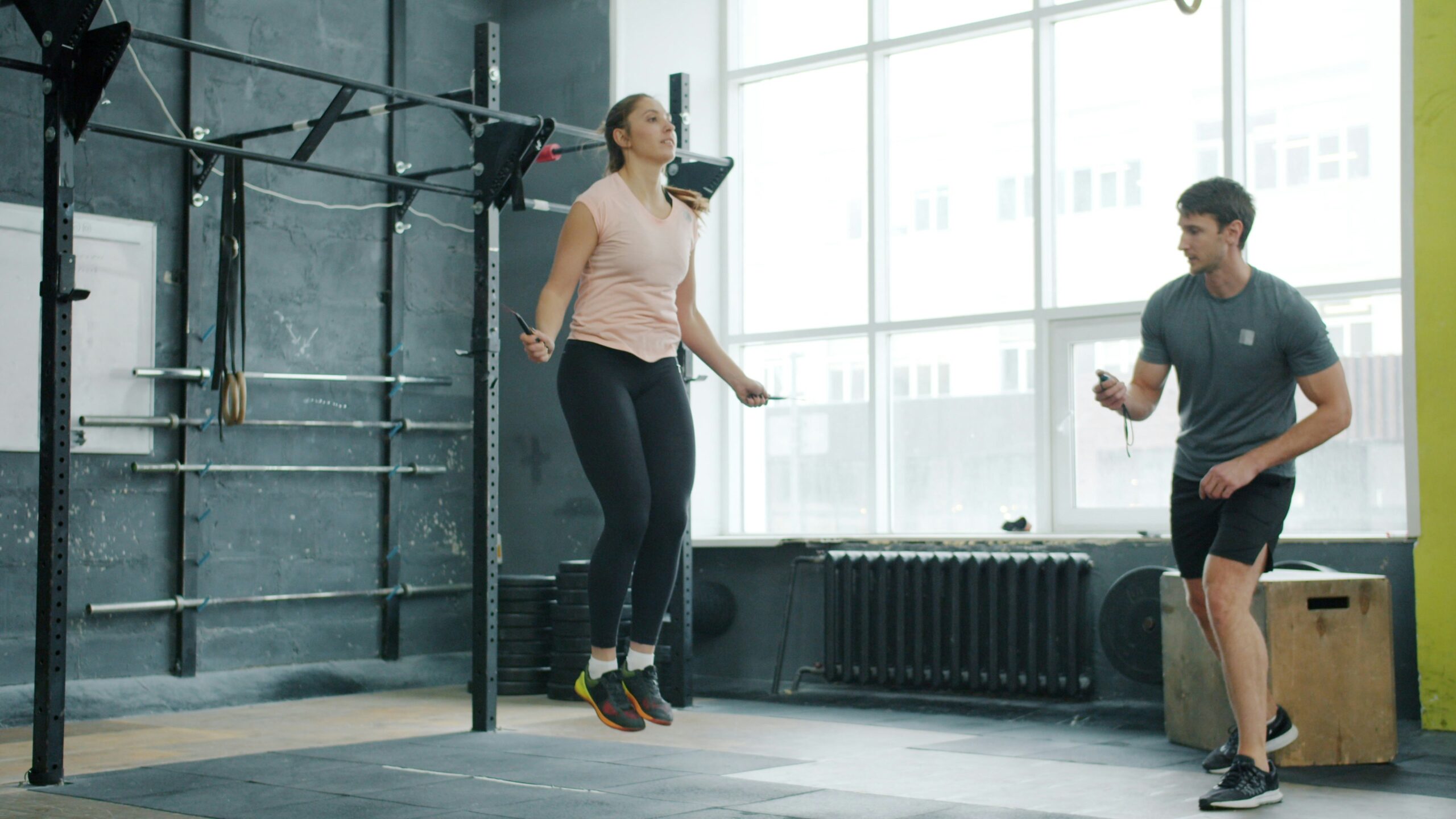
    Jump rope is simple, affordable, and extremely effective for fat burning. It elevates your heart rate quickly, improves coordination, and strengthens the lower body. Just 15–20 minutes a day can significantly enhance calorie burn.

    Effective Fat Burning Cardio Workouts

    Running and Jogging

    Running is a classic yet powerful fat-burning exercise. Outdoor runs along the Bosphorus or local parks can provide fresh air while improving cardiovascular fitness. Jogging at a moderate pace for 30–45 minutes can help burn calories efficiently.

    Cycling

    Cycling is another excellent fat-burning cardio exercise. Whether on a stationary bike at home or cycling through city streets, it strengthens the lower body, improves endurance, and promotes fat loss.

    Swimming

    Swimming engages the entire body while being gentle on the joints. It’s ideal for those with joint concerns or people looking for low-impact fat burning workouts. Alternating strokes can increase intensity and calorie expenditure.

    Fat Burning Exercises for Belly Fat

    fat burning exercises for belly fat


    Belly fat is a common concern for many readers. While spot reduction is limited, targeted exercises combined with overall fat loss can improve abdominal definition.

    Core Strengthening Moves

    • Plank Variations: Standard plank, side plank, and plank with leg lifts strengthen the core while burning calories.
    • Russian Twists: Sit on the floor, lean back slightly, and twist your torso from side to side. This engages the obliques and helps tone the midsection.
    • Bicycle Crunches: Lie on your back, bring opposite elbows and knees together, and alternate. This exercise targets the upper and lower abs efficiently.

    Incorporating Cardio for Belly Fat

    Combining core exercises with cardio, like running, jump rope, or HIIT, enhances fat burning in the abdominal area. Consistency is key — aim for at least 30–40 minutes of cardio three to four times per week.

    Strength Training: Building Lean Muscle

    Why Strength Training Matters

    Muscle tissue burns more calories at rest compared to fat tissue. Incorporating strength training into your routine increases lean muscle mass, boosts metabolism, and supports fat loss.

    Key Strength Exercises

    • Squats and Lunges: Work the legs and glutes while elevating heart rate
    • Push-Ups and Bench Press: Strengthen the chest, arms, and core
    • Deadlifts: Engage the posterior chain and improve overall body strength
    • Rows and Pull-Ups: Build upper body muscles and improve posture

    Designing Your Fat Burning Workout Routine

    Combining Cardio and Strength

    For optimal results, combine cardio and strength training. For example, alternate HIIT sessions with strength workouts three to four times per week. This combination maximizes calorie burn and builds lean muscle simultaneously.

    Sample Weekly Plan

    • Monday: HIIT and core exercises
    • Tuesday: Strength training (upper body focus)
    • Wednesday: Moderate-intensity cardio (running or cycling)
    • Thursday: Strength training (lower body focus)
    • Friday: HIIT and full-body circuit
    • Saturday: Outdoor activity or light cardio
    • Sunday: Rest or gentle stretching

    Recovery and Rest

    Fat burning workouts put stress on muscles and joints. Recovery days are essential to prevent injury, reduce fatigue, and allow muscles to repair and grow. Adequate sleep, hydration, and stretching are critical components of recovery.

    Tips to Maximize Fat Burning

    • Consistency is key: Regular workouts over weeks and months yield the best results
    • Intensity matters: Challenge yourself but avoid overtraining
    • Monitor nutrition: A balanced diet supports fat loss and energy levels
    • Stay hydrated: Proper hydration improves workout performance and recovery
    • Track progress: Record workouts, weight, and body measurements to stay motivated

    Fat Burning Exercises for All Fitness Levels

    Beginners

    Start with low-impact exercises like brisk walking, basic bodyweight circuits, and light strength training. Gradually increase intensity as your fitness improves.

    Intermediate

    Incorporate HIIT, moderate weights, and longer cardio sessions. Focus on proper form and progressive overload for muscle building.

    Advanced

    Use high-intensity strength training, advanced HIIT, and complex movements. Consider combining outdoor and indoor workouts to challenge different muscle groups and maintain variety.

    Conclusion

    Incorporating the best fat burning exercises into your routine is essential for long-term weight loss and fitness. From HIIT and strength training to cardio and core workouts, the key is consistency, intensity, and proper recovery. Readers can benefit from combining indoor workouts, outdoor activities, and practical home exercises to burn fat, build lean muscle, and achieve a healthier lifestyle.

    Remember, fat loss is a gradual process. A sustainable approach with well-designed exercises, balanced nutrition, and patience delivers lasting results. By following the strategies in this guide, you can transform your body and improve overall health in 2025–2026.


  • Gym Workout Plan for Beginners: Your Complete Guide to Starting Strong

    For many people in Turkey, visiting the gym for the first time can feel intimidating. Machines look complicated, free weights seem heavy, and everyone else seems experienced. However, starting with a well-designed gym workout plan for beginners can help you navigate this environment with confidence. The right routine focuses on building strength, improving endurance, and creating healthy habits. It also emphasizes correct technique, preventing common mistakes that lead to injuries or slow progress. By the end of this guide, you will have a complete roadmap to start your fitness journey, stay motivated, and see measurable results. Click here to know more about gym workout plan for beginners.

    Understanding the Basics of a Gym Workout Plan

    Why a Beginner Plan Matters

    Jumping into random exercises without guidance can lead to frustration, injury, or burnout. A beginner plan is specifically designed to:

    • Introduce fundamental movements safely
    • Build a strong foundation for future training
    • Improve overall fitness gradually
    • Establish consistency and discipline

    Starting slowly with a structured approach also allows you to track progress and adapt your routine as your strength and endurance improve.

    Key Principles for Beginners

    1. Focus on full-body workouts initially to engage all major muscle groups
    2. Prioritize proper form over heavier weights
    3. Gradually increase intensity and volume
    4. Include both strength training and cardiovascular exercises
    5. Rest adequately between workouts for recovery

    These principles create a balanced approach that builds strength, stamina, and confidence in the gym.

    Setting Goals and Tracking Progress

    Identifying Your Fitness Goals

    Before starting your beginner gym routine, it is crucial to define your goals. Common objectives include:

    • Weight loss or fat reduction
    • Muscle gain and strength development
    • Improved endurance and overall health
    • Enhanced posture and mobility

    Clear goals allow you to select the most suitable exercises, rep ranges, and training frequency for your needs.

    Tracking Progress Effectively

    Use tools such as a workout journal, fitness apps, or even simple notes to record:

    • Exercises performed
    • Weight lifted or resistance used
    • Number of repetitions and sets
    • Duration of cardio sessions

    Tracking your progress helps you stay motivated and ensures you are gradually challenging your body without risking injury.

    Essential Components of a Gym Workout Plan for Beginners

    A comprehensive beginner routine should include:

    Warm-Up

    Warming up prepares your muscles, joints, and cardiovascular system for exercise. Effective warm-ups include:

    • 5-10 minutes of light cardio such as treadmill walking or cycling
    • Dynamic stretches for major muscle groups
    • Mobility drills for shoulders, hips, and ankles

    Strength Training

    Strength training builds muscle, improves metabolism, and supports functional movement. For beginners, focus on:

    • Compound exercises that work multiple muscles at once
    • Bodyweight exercises initially, then gradually adding weights
    • A mix of upper body, lower body, and core exercises

    Cardiovascular Training

    Cardio improves heart health, stamina, and helps with fat loss. Beginners should start with moderate-intensity cardio such as:

    • Walking or jogging on a treadmill
    • Cycling or rowing
    • Elliptical sessions

    Cool-Down and Stretching

    Cooling down helps your body recover and reduces muscle soreness. Include:

    • 5-10 minutes of light cardio to gradually lower heart rate
    • Static stretches for the major muscle groups worked

    Sample Beginner Gym Workout Plan

    Here is a practical 4-week beginner workout plan suitable for Turkish readers new to the gym.

    Week 1-2: Establishing a Foundation

    Full-Body Workout (3 days per week)

    Upper Body Exercises:

    • Push-ups: 3 sets of 8-12 reps
    • Dumbbell shoulder press: 3 sets of 10 reps
    • Seated row: 3 sets of 12 reps

    Lower Body Exercises:

    • Bodyweight squats: 3 sets of 15 reps
    • Glute bridges: 3 sets of 12 reps
    • Leg press (light weight): 3 sets of 10 reps

    Core Exercises:

    • Plank: 3 sets of 20-30 seconds
    • Bicycle crunches: 3 sets of 15 reps

    Cardio:

    • 15-20 minutes moderate-intensity cardio after strength session

    Week 3-4: Progressing Safely

    Full-Body Workout (3-4 days per week)

    Upper Body Exercises:

    • Incline dumbbell press: 3 sets of 10 reps
    • Lat pulldown: 3 sets of 12 reps
    • Dumbbell bicep curls: 3 sets of 12 reps

    Lower Body Exercises:

    • Goblet squats: 3 sets of 12 reps
    • Romanian deadlift: 3 sets of 10 reps
    • Calf raises: 3 sets of 15 reps

    Core Exercises:

    • Side plank: 3 sets of 20-30 seconds per side
    • Russian twists: 3 sets of 15 reps

    Cardio:

    • 20-25 minutes moderate-intensity cardio, can alternate treadmill, bike, or rowing

    Tips for Staying Motivated

    Tips for Staying Motivated

    Create a Routine

    Consistency is key. Set specific days and times for your workouts and stick to them.

    Focus on Technique

    Correct form prevents injuries and ensures you are engaging the right muscles. Avoid lifting heavier weights before mastering form.

    Mix Up Exercises

    Variety keeps workouts enjoyable and prevents plateaus. Rotate exercises every few weeks to keep challenging your body.

    Use a Gym Buddy

    Training with a friend can boost motivation and make workouts more enjoyable.

    Celebrate Small Wins

    Track progress such as increased reps, heavier weights, or longer cardio sessions. Celebrate milestones to maintain motivation.

    Nutrition and Recovery

    Importance of Nutrition

    A gym workout plan for beginners works best when paired with balanced nutrition. Focus on:

    • Protein-rich foods for muscle repair
    • Complex carbohydrates for energy
    • Healthy fats for overall health
    • Plenty of water to stay hydrated

    Recovery Strategies

    Rest days are critical for muscle recovery and growth. Include:

    • 1-2 rest days per week
    • Adequate sleep (7-9 hours per night)
    • Light stretching or mobility exercises on rest days

    Common Mistakes to Avoid

    • Skipping warm-up or cool-down
    • Lifting weights that are too heavy too soon
    • Neglecting form and technique
    • Overtraining without rest
    • Ignoring nutrition and hydration

    By avoiding these mistakes, you can progress safely and efficiently toward your fitness goals.

    Final Thoughts

    A gym workout plan for beginners provides structure, confidence, and guidance for anyone starting their fitness journey. Focusing on full-body exercises, proper technique, gradual progression, and consistent tracking will set a strong foundation. Pair your workouts with proper nutrition, recovery, and motivation strategies, and you will see tangible results within weeks. Starting is the hardest part, but with the right plan, Turkish beginners can achieve strength, stamina, and a healthier lifestyle efficiently.


  • The Ultimate Guide to Treadmill Workouts: Achieve Your Fitness Goals at Home in Turkey

    Treadmill workouts have become one of the most popular ways for Turkish fitness enthusiasts to stay in shape, burn calories, and improve overall health without leaving the comfort of home. Whether you live in Istanbul, Ankara, Izmir, or smaller cities across Turkey, having a treadmill at home allows you to maintain a consistent exercise routine regardless of weather, traffic, or your busy schedule. A treadmill workout is not just a simple run it can be a highly effective way to improve cardiovascular fitness, strengthen muscles, and manage weight. In this guide, we will provide Turkish readers with everything they need to know about treadmill exercise routines, from beginner tips to advanced HIIT workouts.

    Why Treadmill Workouts Are Perfect for Turkish Fitness Enthusiasts

    Treadmills offer a safe, controlled environment for exercising, which makes them an excellent choice for people living in urban areas or regions with extreme weather conditions. Unlike outdoor running, a treadmill workouts allows you to adjust speed, incline, and duration, giving you total control over your workout intensity.

    Benefits of Treadmill Workouts

    • Controlled environment: Adjust pace, incline, and monitor your progress easily.
    • Year-round fitness: No need to worry about Istanbul’s rainy days or Ankara’s cold winters.
    • Low-impact options: Treadmills are gentler on joints compared to running on uneven surfaces like asphalt or cobblestones.
    • Versatility: Supports walking, jogging, sprinting, HIIT routines, and incline workouts.
    • Motivation and tracking: Modern treadmills come with screens, apps, and heart rate monitoring to track your fitness progress.

    For Turkish readers, especially those with busy urban lifestyles, treadmill workouts are convenient, time-saving, and adaptable for all fitness levels.

    Choosing the Right Treadmill for Home Use in Turkey

    Before diving into treadmill workouts, it’s important to select a treadmill that suits your needs. The Turkish market offers various options from basic models to advanced home gym treadmills with smart features.

    Key Factors to Consider

    Motor Power

    For walking or light jogging, a treadmill with at least 2.0 horsepower is sufficient. If you plan on running regularly or performing intense HIIT workouts, consider 3.0 horsepower or higher for smooth performance.

    Running Surface

    The belt length and width are critical for comfort and safety. A minimum belt width of 50cm and length of 140cm is recommended, especially for taller individuals. Longer belts allow more natural strides, reducing the risk of tripping or discomfort.

    Incline and Speed Options

    Incline adjustments simulate outdoor hill running and target different muscle groups, enhancing calorie burn. Speed ranges should accommodate beginners and advanced runners. Some models even offer pre-set programs specifically for HIIT or weight loss.

    Technology and Connectivity

    Smart treadmills with heart rate monitors, touchscreen displays, and app compatibility provide motivation and progress tracking. For Turkish users, it’s ideal to select a treadmill with Turkish language support or simple interface options.

    Space Considerations

    For apartment dwellers, foldable or compact treadmills save space without compromising functionality.

    Essential Treadmill Workouts for Beginners

    If you are new to treadmill exercise, starting gradually is essential. Beginner routines focus on building endurance, improving cardiovascular health, and preventing injuries.

    Basic Walking and Jogging Routine

    1. Warm-up: 5 minutes of brisk walking
    2. Main workout: Alternate 2 minutes of jogging with 3 minutes of walking for 20-25 minutes
    3. Cool down: 5 minutes of slow walking
    4. Stretching: Focus on calves, hamstrings, quadriceps, and lower back

    Tips for Beginners

    • Start with 20-30 minutes per session, three times a week
    • Maintain good posture: shoulders relaxed, eyes forward, arms swinging naturally
    • Use incline sparingly at first to avoid unnecessary strain

    Common Mistakes Beginners Make

    • Skipping warm-up or cool-down
    • Holding onto treadmill rails instead of using natural arm swing
    • Setting speeds too high too soon, which can lead to fatigue or injury

    Advanced Treadmill Workouts for Weight Loss

    Turkish men and women looking to lose weight can benefit greatly from treadmill workouts. Combining steady-state cardio with high-intensity interval training (HIIT) maximizes calorie burn.

    Steady-State Cardio for Fat Loss

    Steady-state treadmill cardio involves running or walking at a consistent pace for 30-60 minutes. This method increases calorie expenditure without overloading the body, making it ideal for beginners and intermediates.

    HIIT Treadmill Workouts

    High-intensity interval training alternates short bursts of intense running with periods of recovery. A sample treadmill HIIT routine:

    • 1 minute sprint at high speed
    • 2 minutes walking recovery
    • Repeat 8-10 times for 20-30 minutes

    HIIT treadmill workouts elevate metabolism, burn fat efficiently, and improve cardiovascular performance.

    Treadmill Workouts for Targeted Weight Loss

    Treadmill Workouts for Targeted Weight Loss

    • Incline walks or runs: Target glutes, hamstrings, and calves while burning more calories
    • Side shuffles on treadmill: Engages inner and outer thighs
    • Backward walking (with caution): Strengthens quads and improves balance

    Treadmill HIIT Routines for Beginners

    HIIT can seem intimidating for beginners, but starting slowly ensures safety and builds endurance.

    Beginner-Friendly HIIT Routine

    1. Warm-up: 5 minutes walking
    2. 30 seconds light jog, 1 minute brisk walk
    3. Repeat 8-10 rounds
    4. Cool down: 5 minutes walking
    5. Stretch and hydrate

    Gradually increase jogging duration and decrease walking recovery over several weeks. This progressive approach prevents burnout and injury.

    Tips for Effective HIIT Workouts

    • Focus on form over speed
    • Monitor heart rate to ensure safety
    • Incorporate incline to increase intensity without increasing speed

    Home Treadmill Workouts for Busy Turkish Professionals

    Busy lifestyles in Istanbul or Ankara make home treadmill workouts ideal for maintaining fitness without commuting. Even short, focused treadmill sessions can deliver significant health benefits.

    20-Minute Quick Burn Routine

    1. Warm-up: 5 minutes brisk walking
    2. Main workout: 2 minutes fast jog, 1 minute walk, repeat 5 times
    3. Incline walk: 3 minutes to finish
    4. Cool down and stretch

    This routine improves cardiovascular health, strengthens legs, and fits easily into lunch breaks or evening schedules.

    Combining Treadmill Workouts with Strength Training

    For maximum results, combine treadmill workouts with bodyweight exercises:

    • 10 minutes treadmill warm-up
    • 10 minutes bodyweight circuit (push-ups, squats, lunges, planks)
    • 10 minutes treadmill incline walk or light jog

    This approach boosts calorie burn, builds muscle, and improves overall fitness.

    Tips for Making the Most of Your Treadmill Workouts

    • Stay hydrated: Even short treadmill sessions require water intake
    • Vary your routines: Mix incline, speed, and HIIT workouts to prevent plateaus
    • Listen to your body: Stop if you feel sharp pain or excessive fatigue
    • Use proper footwear: Running shoes with good support reduce injury risk
    • Track progress: Many treadmills provide calories burned, distance, and heart rate monitoring

    Common Mistakes to Avoid During Treadmill Workouts

    Even with a quality treadmill, mistakes can reduce workout efficiency or cause injury:

    • Skipping warm-up and cool-down
    • Leaning forward or gripping rails excessively
    • Overtraining: Excessive speed or incline early on
    • Ignoring nutrition and hydration

    Conclusion

    Treadmill workouts offer Turkish readers a flexible, effective, and safe way to stay fit, lose weight, and maintain cardiovascular health. From beginner walking sessions to advanced HIIT routines, treadmill exercise provides variety, convenience, and measurable results. By choosing the right treadmill, following structured routines, and gradually increasing intensity, anyone can achieve their fitness goals from home. Incorporating treadmill workouts into a weekly fitness routine can enhance endurance, strengthen muscles, boost metabolism, and improve overall well-being. Start today and discover how treadmill workouts can transform your home fitness experience in Turkey.


  • Find the Best Gym Near Me: Your Ultimate Guide to Fitness in Turkey

    Are you searching for a gym near me in Turkey that matches your lifestyle, budget, and fitness goals? With fitness culture growing rapidly across cities like Istanbul, Ankara, and Izmir, finding the right gym is essential not just for staying active but also for building a sustainable wellness routine. A gym close to your home or workplace saves time, reduces excuses, and can even provide a community that motivates you to reach your goals.

    Whether you are a beginner looking for guidance, a professional wanting advanced equipment, or someone who prefers group fitness classes, this guide covers everything you need to know to find the best gym near you in Turkey. From membership plans to amenities and tips for selecting a 24-hour gym, we’ll explore practical insights to help you make an informed decision.

    Why Finding a Gym Near You Matters

    Convenience plays a key role in maintaining a consistent fitness routine. If your gym is too far or difficult to reach, even the most motivated person can struggle to attend regularly. But proximity is only part of the story. To get the most from your workouts, you need a gym that offers quality equipment, professional guidance, and an environment that inspires you.

    Benefits of a Nearby Gym

    1. Time Efficiency: Choosing a gym near me reduces travel time, giving you more flexibility to fit workouts into your busy schedule.
    2. Consistent Routine: The closer your gym, the less likely you are to skip workouts due to traffic or commuting challenges.
    3. Local Community: Many Turkish gyms have a strong sense of community, making it easier to meet like-minded people and maintain motivation.
    4. Accessibility for Emergencies: Unexpected schedule changes or last-minute plans won’t derail your fitness goals if the gym is nearby.

    For Turkish residents, especially in urban areas, having a gym nearby is not just about convenience—it’s about creating a fitness habit that lasts.

    How to Find the Right Gym Near Me

    Simply typing “gym near me” into Google will generate dozens of options, but choosing the right one takes a more careful approach. A gym is an investment in your health, so consider the following factors.

    Understand Your Fitness Goals

    Your goals will dictate the type of gym that suits you best. Ask yourself:

    • Do I want to focus on strength training, cardio, or a mix of both?
    • Am I looking for weight loss, muscle gain, flexibility, or general wellness?
    • Do I need personal trainers or guided classes?

    Knowing your objectives will narrow your choices and prevent you from joining a gym that doesn’t meet your needs.

    Evaluate Facilities and Equipment

    Not all gyms offer the same quality or range of equipment. Before committing, check for:

    • Up-to-date machines and functional training areas
    • Cardio zones, including treadmills, ellipticals, and stationary bikes
    • Free weight sections and resistance training equipment
    • Group exercise studios for classes like yoga, pilates, or spinning

    Membership Plans and Pricing

    Memberships in Turkey can vary significantly depending on the city and gym type. Consider:

    • Monthly vs yearly memberships
    • Class inclusions and limits
    • Student or off-peak discounts
    • Hidden fees or one-time registration costs

    A well-planned membership ensures you get the value you deserve without overspending.

    Read Reviews and Visit the Gym

    Online reviews are helpful, but visiting in person is crucial. Check:

    • How busy the gym is at different times
    • Staff friendliness and professionalism
    • Cleanliness of locker rooms and equipment
    • Atmosphere and motivation levels among members

    Types of Gyms Available in Turkey

    Understanding the types of gyms available will help you narrow down your search for a gym near me. Turkey has a diverse fitness market, catering to different preferences and budgets.

    Standard Fitness Centers

    These gyms provide a wide range of equipment for strength training and cardio. Most beginners and regular gym-goers find these ideal, as they offer flexibility in workouts and a variety of training options.

    Boutique Studios

    Boutique studios focus on specialized workouts such as yoga, pilates, functional training, or high-intensity interval training. These gyms offer more personalized attention and small group sessions, creating a community-like atmosphere.

    24-Hour Gyms

    A 24-hour gym near me is perfect for people with unconventional schedules. Open around the clock, these gyms let you exercise at any time without worrying about opening hours, which is ideal for busy professionals or night owls.

    Budget-Friendly Gyms

    Affordable gyms near me are designed to provide essential equipment without extravagant amenities. They’re perfect for beginners or anyone wanting to maintain a regular routine without spending a fortune.

    Key Amenities to Consider in a Fitness Center Near Me

    When looking for a fitness center near me, amenities can enhance your workout experience and make a difference in your motivation.

    Personal Training and Classes

    Gyms that offer certified personal trainers can help you develop a tailored workout plan. Group classes like spinning, Zumba, and yoga provide structure and motivation for those who prefer guided sessions.

    Cleanliness and Safety

    A clean gym with regular sanitization is essential, especially in Turkey’s urban areas. Check if the gym provides hand sanitizers, disinfectant wipes, and follows COVID-19 safety protocols.

    Wellness Facilities

    Some gyms offer extra amenities like saunas, steam rooms, and recovery areas. These can support your overall health, improve recovery, and make your gym experience more enjoyable.

    Convenience Features

    Look for gyms with convenient parking, shower facilities, lockers, and Wi-Fi. These small factors can greatly influence your experience and motivation.

    How to Choose the Best Gyms in My Area

    How to Choose the Best Gyms in My Area

    Finding the best gyms in my area is about evaluating multiple factors beyond location.

    Compare Multiple Gyms

    Even gyms in the same neighborhood can differ in equipment quality, pricing, and atmosphere. Take advantage of free trial sessions to get a feel for the environment.

    Check Staff Credentials

    Certified trainers and knowledgeable staff are essential for safe and effective workouts. Ensure the gym employs professionals who can guide you if needed.

    Evaluate Class Schedules

    If you’re interested in group classes, check whether the schedules fit your availability. Popular classes can fill up quickly, so plan accordingly.

    Community and Motivation

    A welcoming gym culture can keep you consistent. Observe member behavior and see if the environment is motivating rather than intimidating.

    Technological Integration

    Modern gyms often offer apps for booking classes, tracking progress, or even virtual workouts. These features enhance convenience and make staying consistent easier.

    Affordable Gyms Near Me: Budget-Friendly Fitness Options

    For many Turkish residents, affordability is a key factor in choosing a gym. Affordable gyms near me often provide essential equipment and facilities at lower costs without compromising quality.

    Cost-Saving Tips

    • Look for off-peak membership discounts
    • Join with a friend to get group promotions
    • Check for seasonal offers or introductory rates
    • Compare monthly vs yearly plans for savings

    Budget gyms often prioritize functional fitness equipment over luxury amenities, making them ideal for people who want results without extra costs.

    Advantages of 24-Hour Gyms in Turkey

    A 24-hour gym near me offers unmatched flexibility. This is especially useful in Turkey’s fast-paced cities where work hours and social commitments vary.

    Key Benefits

    • Workout anytime without worrying about closing times
    • Avoid peak-hour crowds for a more focused session
    • Maintain a consistent routine even with unpredictable schedules

    In Istanbul and Ankara, 24-hour gyms are becoming increasingly popular, particularly among professionals and students with irregular hours.

    Technology and Fitness: How Gyms Are Evolving in Turkey

    Fitness technology has transformed how people approach workouts. Modern gyms now offer:

    • Mobile apps for booking classes and tracking workouts
    • Wearable integration for progress monitoring
    • Online coaching and virtual classes for at-home workouts

    Searching for a fitness center near me now often includes checking if the gym provides these modern amenities. Technology not only improves convenience but also helps members track progress and stay motivated.

    Tips for Maintaining Motivation at Your Local Gym

    Even after finding a gym near me, staying motivated can be challenging. Here are practical strategies:

    • Set clear, achievable goals for strength, endurance, or flexibility
    • Track progress regularly to see improvements
    • Mix workouts to avoid boredom
    • Find a workout buddy or join group classes
    • Reward yourself for milestones to maintain motivation

    Conclusion

    Finding the right gym near me in Turkey requires balancing convenience, facilities, cost, and personal goals. From standard fitness centers to boutique studios and 24-hour gyms, Turkey offers options for every lifestyle and budget. By considering equipment, staff quality, community, and modern amenities, you can make a well-informed choice and start a consistent fitness journey.

    With this guide, Turkish readers can confidently explore local gyms, discover affordable options, and find the perfect fitness center that supports their health and wellness goals.


Black Friday

Day
Hr
Min
Sec

Join Our Mailing List and Receive a 45% Discount Code

Yes,I Want This!
No thanks I don't want to save