
If you are searching for the best protein powder has to offer, you are in the right place. Whether you are just starting your fitness journey in Istanbul, Ankara, Izmir, or anywhere else in Europe, choosing the right protein powder can significantly impact your workouts, gains, recovery, and overall health. This in‑depth guide will walk you through everything from the key differences between supplements to how to choose the best option for your lifestyle and goals.
Protein powders are among the most popular supplements for athletes, fitness enthusiasts, and everyday people looking to boost their health. But with so many brands, types, and claims, it can be overwhelming to figure out what really matters in the supplement market. Here we break down essential information and provide practical guidance so you feel confident in your choice.
Why Protein Powder Matters Today
Protein has become a priority for many people who want to improve body composition, support muscle growth, enhance athletic performance, or simply maintain a balanced diet. As lifestyles become busier and nutrition habits change, protein powder emerges as a convenient and effective solution.
The interest in protein supplements is growing rapidly. More people are engaging in strength training, running, CrossFit, and other fitness activities. The buzz around recovery, muscle preservation after 30, and general wellness has also boosted the demand for quality protein products.
The right protein powder can help you fill nutritional gaps, support your fitness routine, and even enhance satiety if you are trying to manage your weight. But not all protein powders are created equal, especially in the European market, where import taxes, regulations and brand availability differ across countries.
Understanding Different Types of Protein Powder
Finding the best protein powder means first understanding what kinds of protein are available. Each type has its unique benefits and considerations.
Whey Protein Powder Options
Whey protein has long been a favorite among athletes and gym‑goers. It is fast‑digesting, rich in essential amino acids, and excellent for post‑workout recovery.
Benefits of Whey Protein
- Rapid muscle recovery
- High Biological Value for strong absorption
- Supports strength gains
- Often mixes easily with water or milk
Considerations
Whey is dairy‑based, so if you are lactose intolerant or follow a dairy‑free lifestyle, you might experience digestion issues.
Fitness communities often mention whey protein as the go‑to choice for strength training because it provides an efficient boost of amino acids exactly when the body needs them most.
Vegan Protein Powder Choices
For plant‑based eaters or those with dairy sensitivities, vegan protein powder is a great alternative. Common sources include pea, rice, hemp, and soy.
Pros of Vegan Protein
- Dairy‑free and often allergen‑friendly
- Good choice for vegetarians and vegans
- Can provide sustained energy
- Often blended for balanced amino acid profiles
Cons
Some vegan formulas may taste grainy or mix less smoothly than whey.
If you are prioritizing plant‑based nutrition, look for blends labeled as “complete protein” to ensure you get all essential amino acids.
Casein Protein: Slow Release for Overnight Recovery
Casein is another dairy‑based protein, but unlike whey, it digests slowly. This makes it ideal for nighttime use or long periods between meals.
Best Uses for Casein
- Before bed to reduce muscle breakdown during sleep
- As a snack replacement
- For slow amino acid delivery
Egg Protein and Other Specialty Formulas
Egg protein powder is made from egg whites and provides a middle ground between dairy and plant proteins. It is lactose‑free, with high biological value and good digestibility.
Best For
- People with dairy sensitivities
- Those who want a complete amino acid profile
- Individuals avoiding soy
How to Choose the Best Protein Powder
Selecting the best protein powder requires thoughtful consideration of your goals, budget, dietary preferences, and ingredient quality. Here are key factors to help guide your decision.
Define Your Fitness Goal
Are you trying to build muscle, lose fat, maintain weight, or simply improve daily protein intake?
Muscle Gain
If increasing muscle mass is your priority, whey protein with at least 20 grams per serving can be highly effective.
Fat Loss
Protein helps maintain lean mass while cutting calories. Look for lower‑calorie, low‑sugar options.
Healthy Aging
Protein supports muscle maintenance over time, which is especially valuable for people over 30.
Check the Protein Content Per Serving
A good protein powder should provide a meaningful amount of protein per scoop. Many quality products deliver 20 to 25 grams per serving, but always check the label to ensure you are getting value for your money.
Pay Attention to Ingredients
Avoid products with excessive artificial sweeteners, fillers, or ambiguous proprietary blends. Simpler ingredient lists often mean higher purity and fewer unnecessary additives.
Assess Digestibility and Allergens
If you have lactose intolerance, gluten sensitivity, or other dietary restrictions, choose a formula that aligns with your needs. Vegan and egg protein powders are excellent options for sensitive stomachs.
Flavor and Mixability
Taste matters. A protein powder that tastes great and mixes well increases the likelihood that you will use it consistently. Popular flavors include chocolate, vanilla, and local favorites like coffee or pistachio, depending on the brand.
Best Times to Take Protein Powder
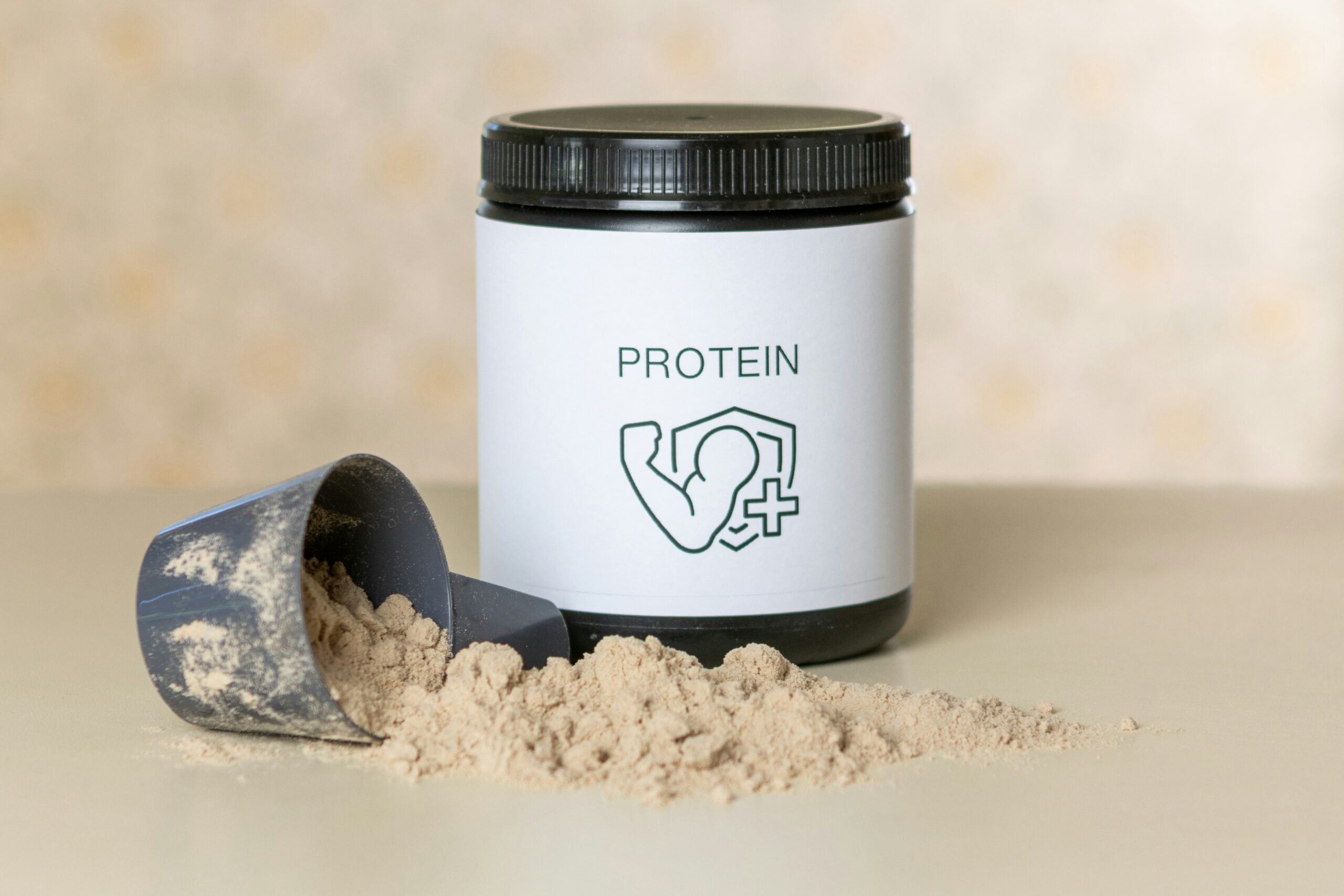
Knowing when to take your protein powder can maximize its effectiveness.
Post‑Workout Window
Many athletes prefer to consume protein within 30 to 60 minutes after exercise to support recovery. Whey protein shines here due to its fast absorption.
Morning Boost
Having protein in the morning helps stabilize blood sugar, reduce cravings, and provide sustained energy throughout the day.
Between Meals
Taking protein between meals can keep hunger at bay and support lean mass maintenance.
Before Sleep
Casein protein before bed may support overnight recovery thanks to its slow digestion.
Protein Powder Shopping Guide
When you are ready to buy protein powder, consider these tips to make the process easier and more reliable.
Trusted Stores and Platforms
The gym market offers protein powders online and in‑store. Pay attention to seller reviews, return policy, and authenticity guarantees. Avoid suspiciously cheap products, as they may be counterfeit or expired.
Read Customer Reviews
Platforms like Google Shopping, Hepsiburada, and trendy international supplement stores often include user reviews. These insights can help you determine real performance, taste, and mixability.
Budget Considerations
Imported protein powders may cost more due to customs and VAT. Balancing quality and value is critical. Sometimes mid‑range products offer similar performance to premium brands without the premium price tag.
Certifications and Testing
Look for products tested for purity and quality. Certificates like Informed Choice or third‑party testing labels are a plus, especially if you are an athlete subject to drug testing.
Practical Tips from Fitness Enthusiasts
How to Mix Protein Powder
Use a shaker bottle or blender for smooth texture. If you prefer more flavor, mix with cold milk, almond milk, or even tea (unsweetened) for a unique twist.
Pairing Protein with Whole Foods
Protein powders are supplements, not meal replacements. Combine them with fruit, oats, yogurt, or nuts for a more complete meal.
Tracking Your Daily Protein
Most adults benefit from at least 1.2 to 2 grams of protein per kilogram of body weight, depending on activity level. Track your intake to make sure supplements fill gaps, not replace whole foods entirely.
Common Myths About Protein Powder
There are several misconceptions about protein supplementation. Let’s clarify the most common ones.
Protein Powder is Only for Bodybuilders
Not true. Protein benefits people of all ages, from youth athletes to older adults focused on wellness.
Too Much Protein Harms the Kidneys
For healthy individuals, high protein intake has not been shown to damage kidneys. If you have existing kidney conditions, consult a doctor first.
All Protein Powders Are the Same
False. Quality, source, processing methods, and ingredient lists differ widely. Choose wisely.
Conclusion: Make an Informed Choice
Choosing the best protein powder does not have to be confusing. By understanding different protein types, aligning your choice with your goals, reading labels carefully, and picking reliable sellers, you can find a product that supports your health and fitness journey.
Protein powders can be powerful tools when used thoughtfully. Whether you select a whey protein powder users love for muscle recovery or a vegan protein powder residents enjoy for everyday nutrition, quality and consistency are key. Focus on your goals, respect your body’s needs, and remember that supplements should support—not replace—a balanced diet.